
The EMDR Mastermind Series · An EMDR Growth Subscription
Working with Parts in EMDR
Fraser’s Dissociative Table Technique
Guest: Rebecca Kase, MSW, LCSW, RYT
Live Training: Wednesday, December 9, 2026 · 1:00 PM Central
On-Demand: Recording available to Mastermind subscribers after the live session.
Dissociative parts can show up anywhere in EMDR therapy. One part is ready to approach the memory while another wants nothing to do with it. A client says they want to heal, yet something inside slams on the brakes as soon as reprocessing begins. Or processing gets underway, and suddenly a new voice, perspective, or protective response enters the room.
Knowing that parts are present is one thing. Knowing what to do with them in the moment is another.
Fraser's Dissociative Table Technique offers clinicians a structured way to help clients identify, communicate with, and build cooperation among dissociative parts or self-states. While originally developed for work with dissociative disorders, the technique can offer EMDR therapists a practical framework for working with internal conflict and dissociative material when it emerges during treatment.
In this Mastermind, we'll explore:
-
How to develop the Dissociative Table with a client, including the imagery, structure, and process
-
How to identify and invite relevant parts or self-states
-
Using the Dissociative Table in Phase 2 to strengthen internal communication, cooperation, and preparation for reprocessing
-
Using the technique during Phase 4 when protective parts, conflicting self-states, or dissociative material interrupt or complicate processing
-
How to communicate with parts in ways that respect their protective function rather than trying to override resistance
-
Clinical decision points for knowing when the Dissociative Table may be useful, and when a different intervention may be more appropriate
-
60 Minutes, Live
-
Recording Included
-
Live Q&A
-
Free Community Access
-
Cancel Anytime
Knowing parts are there is one thing. Knowing what to do is another.
A structured way to work with parts when they show up mid-protocol.

Build the table
The imagery, the structure, and the process of developing it with a client.

Invite the parts
How to identify and invite the relevant parts or self-states into the room.

Use it in Phase 2
Strengthen internal communication, cooperation, and readiness for reprocessing.

Use it in Phase 4
When protective parts, conflicting self-states, or dissociative material interrupt processing.
1st month free. Cancel anytime.
More Value Than It Costs. Your Questions.
One private consultation hour typically runs $100 to $200. A single afternoon CE workshop can cost more than three months here. And one stalled case you finally crack, one client who stays in treatment because you knew what to do, is worth more than a year of membership.
Less than most clinicians spend on coffee, and unlike coffee, it compounds.
- Monthly expert-led EMDR Masterminds
- Live or on-demand access
- Techniques for your next session
- Practical strategies you can use immediately
- Cancel anytime
Meet Your Trainer
About Your Trainer
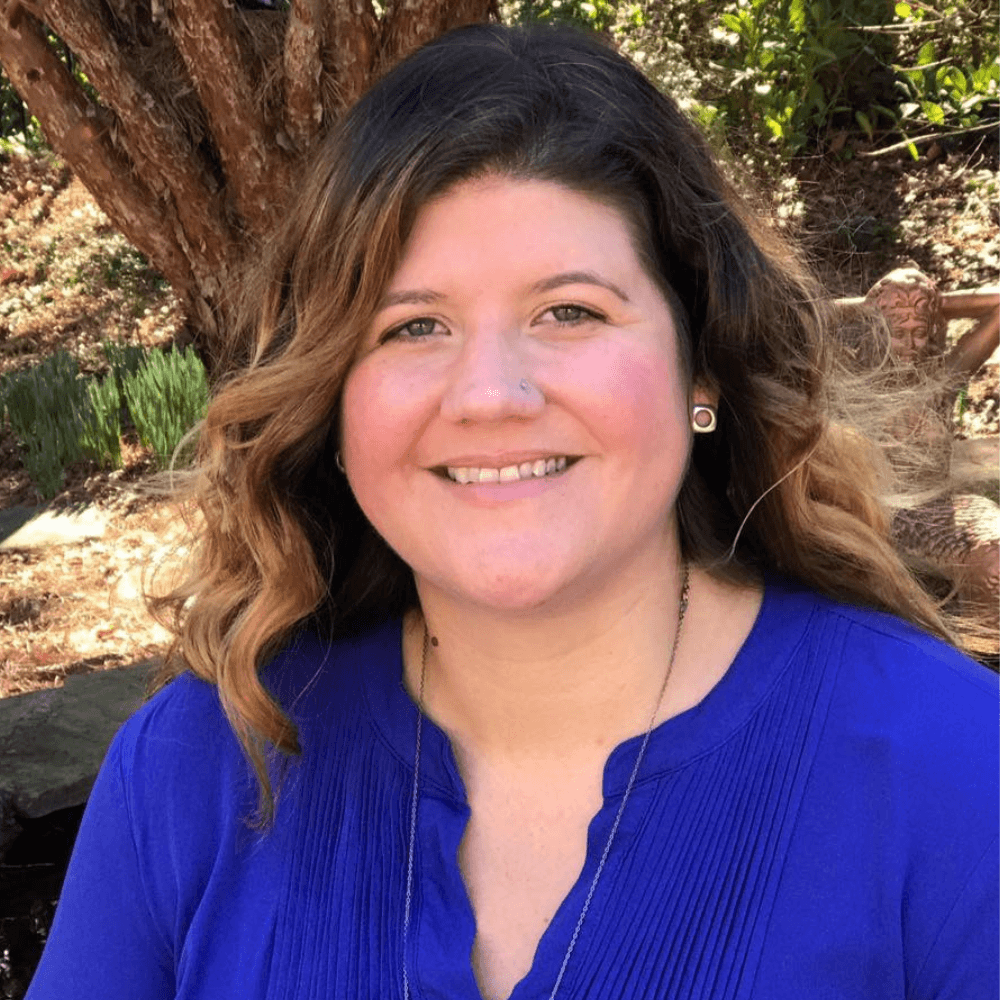
Rebecca Kase
MSW, LCSW, RYT
Rebecca Kase, LCSW, is a psychotherapist, EMDR trainer, author, and founder and CEO of the Trauma Therapist Institute. She is an EMDRIA-Approved Trainer and Consultant and the author of Polyvagal-Informed EMDR: A Neuro-Informed Approach to Healing.
Rebecca specializes in trauma treatment and the integration of neuroscience into clinical practice. She has trained thousands of clinicians in EMDR therapy and trauma treatment and is known for translating complex clinical and scientific concepts into practical, accessible approaches for clinicians. Her work emphasizes clinical rigor, critical thinking, and evidence-informed practice.
Every month, a deep dive into a framework you'll actually use.
October is one. Your subscription includes them all, live and on demand.

Interweaves That Work: Matching the Intervention to the Block
Amanda Marks, LPC, LMHC, CPCSOctober 14, 2026 · 1:00 PM CT

Common Mistakes in EMDR: Recognizing and Correcting Them
Caitlin Weese, LCSW-CNovember 11, 2026 · 1:00 PM CT

Working with Parts in EMDR: Fraser’s Dissociative Table Technique
Rebecca Kase, MSW, LCSW, RYTDecember 9, 2026 · 1:00 PM CT
Four questions, answered.
Then you can decide.
Am I paying $49 for this one session?
No. This session is included with your EMDR Mastermind Series subscription, and your first month is free. Joining now also gets you next month's session, the full on-demand library, TTI's community, and every session after that for as long as you stay. Cancel anytime.
Do I have to talk, or bring a case?
No. Come curious, not prepared. Ask a question about a client you're stuck on, or stay muted and take notes. Both are normal, and both send you back to your caseload with something usable.
What if I can't make the live session?
Every session is recorded and added to your library, so you can watch on your own schedule. There's no penalty for a busy month and nothing to fall behind on.
Do I need to be certified to attend?
No. You only need to have completed an EMDRIA-approved Basic Training and be seeing clients. The Mastermind Series is open to any EMDR-trained clinician who wants to keep growing, certified or not.
The next time the room goes quiet, you'll know what to reach for.
December 9, 1:00 PM Central. Your first month is free.
1st month free, then $49/month. Cancel anytime.
Now on demand in your EMDR Mastermind library.
Watch the recording, plus every past session, inside your subscription.
1st month free, then $49/month. Cancel anytime