EMDR training
Practitioner programs
Trauma training
Ongoing growth

Stay in the loop
Trauma-informed tools, new trainings, and the occasional pep talk. No spam, ever.
Clinical Conversation
Guest: Larisa Traga, LCSW, MAC, CCDS
Most of us were taught that good therapy means asking good questions. But what if the way you’re questioning is quietly stalling change? Clients can feel subtly interrogated and become more cognitively activated, resulting in slower progress.
In many sessions, the question‑to‑reflection ratio is closer to 10:1, which means that, without realizing it, we’re often interrogating our clients instead of guiding them. The structure, timing, and tone of our questions don’t just gather information; they shape safety, regulation, and the direction of change.
Join us for a free, clinically honest, skills‑focused Clinical Conversation with Larisa Traga, LCSW, MAC, CCDS - EMDRIA Approved Consultant & Trainer and Certified Motivational Interviewing Trainer. You’ll walk away with practical, cross‑modality strategies you can use in any trauma‑informed approach, not just EMDR or MI.
How questioning can quietly dysregulate clients
When good intentions lead to rapid‑fire questions, cognitive overload, or subtle pressure to “perform insight.”
The difference between exploration and interrogation
Small shifts in pacing, sequencing, and wording that change the emotional impact of your questions.
Working with the “10:1” problem
Why a high question‑to‑reflection ratio erodes safety and what to do instead, without feeling like you’re “saying nothing.”
Using reflections and summaries as active interventions
How to rely less on “why” questions and more on strategic reflections that deepen meaning and support integration.
Changing the direction of a stuck session with one better question
Micro‑interventions to redirect looping, content‑heavy conversations without overriding autonomy.
Questioning through a trauma‑informed lens
How to respect pace, choice, and window of tolerance while still moving toward adaptive change.
This isn’t a theoretical lecture. It’s a real‑world clinical conversation about how we talk with clients, where our habits help, where they get in the way, and what to do differently next session.
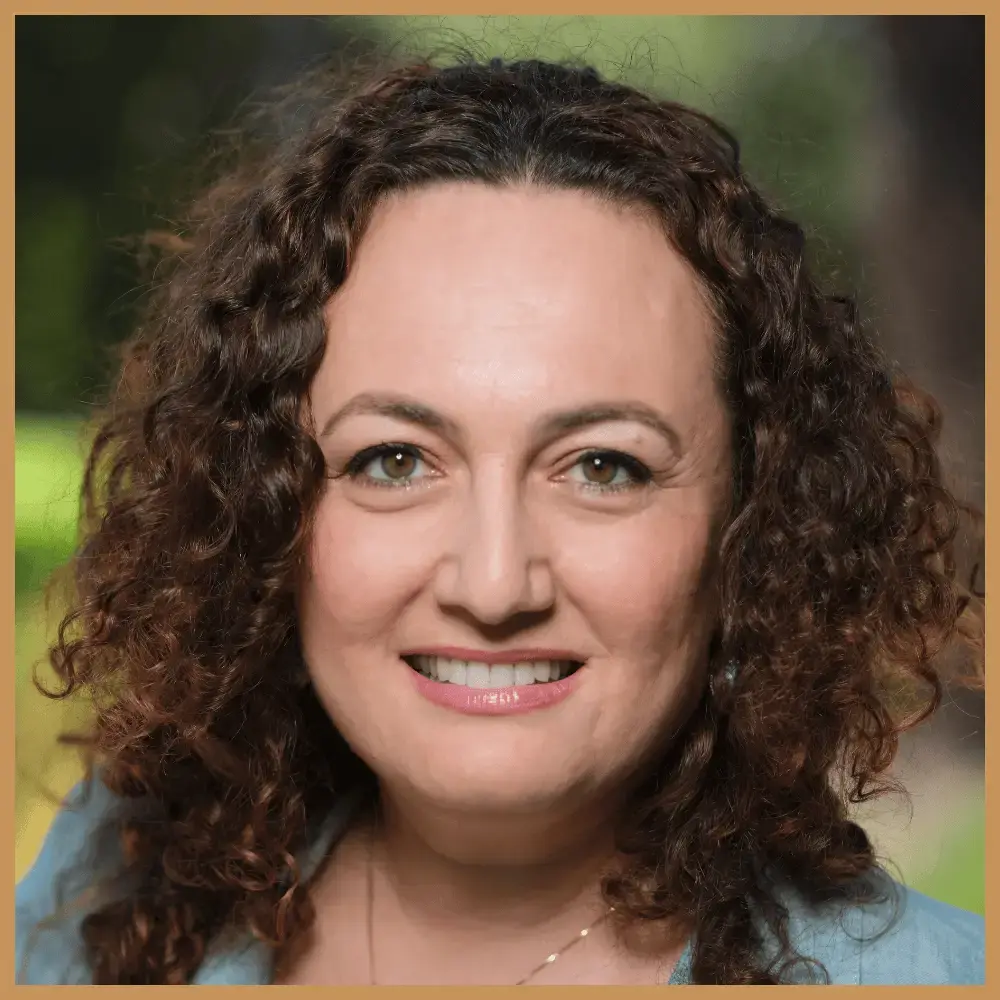
Meet Your Guest
LCSW, MAC, CCDS
Save Your Spot