EMDR training
Practitioner programs
Trauma training
Ongoing growth

Stay in the loop
Trauma-informed tools, new trainings, and the occasional pep talk. No spam, ever.
Clinical Conversation
Guest: Linda Thai, LMSW, ERYT-200, CLYL
Shame says, I am bad. Humiliation says, I have been made small by another, in front of others. It is a different wound, and it asks for a different response.
Join trauma therapist and educator Linda Thai for a 60-minute conversation on humiliation as a relational and embodied experience, one that arrives quietly through the lowered gaze, the collapsed chest, the apology offered before a client has taken up any space at all. Together we will look at how to meet it without prying, exposing, or overriding the body's protective strategies, and how to help clients reclaim the dignity that humiliation interrupted.
This is a live, interactive Clinical Conversation with chat and Q&A. Bring your questions, your clinical doubts, and your most complex cases involving loneliness and touch.
Meet Your Guest
LMSW, ERYT-200, CLYL
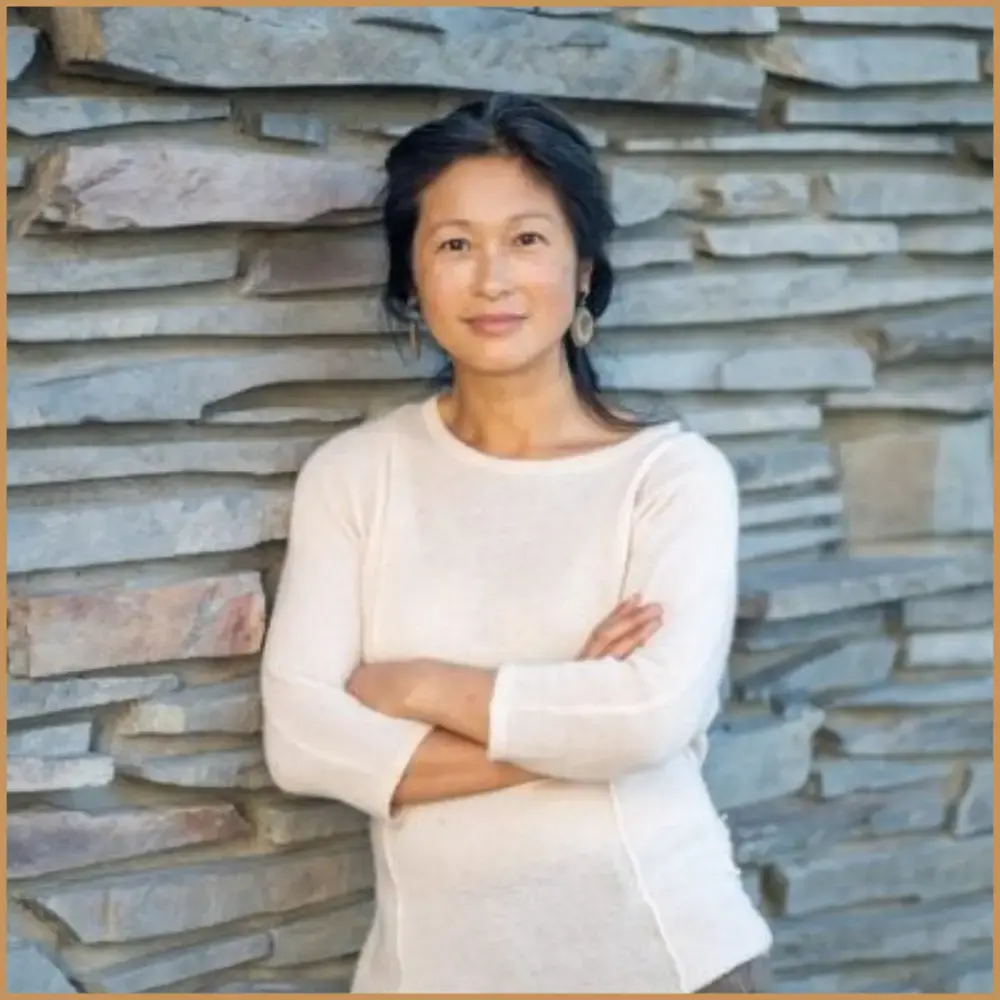
Linda Thai, LMSW, ERYT-200, CLYL is a trauma therapist and educator who specializes in brain and body-based modalities for addressing complex developmental trauma. She has worked with thousands of people around the world to promote mindfulness, recover from trauma, and tend to grief as a form of self-care, with a particular focus on the experiences of adult children of refugees and immigrants.
Linda has assisted internationally renowned psychiatrist and trauma expert Dr. Bessel van der Kolk with his private small-group psychotherapy workshops aimed at healing attachment trauma. She holds a Master of Social Work with an emphasis on the neurobiology of attachment and trauma, and has trained in Sensorimotor Psychotherapy, Somatic Experiencing, Brainspotting, Internal Family Systems, Trauma-Informed Stabilization Treatment, Havening Touch, the Flash Technique, and structural dissociation of the personality. She offers the Safe and Sound Protocol, yoga, and meditation within her practice.
Linda works on the traditional lands of the Tanana Athabascan people in Fairbanks, Alaska, with people recovering from addiction, trauma, and mental illness, and is passionate about breaking the cycle of historical and intergenerational trauma at both the individual and community levels.
Save Your Spot