Working with Military Trauma
A veteran sits across from you, and something isn't landing the way it usually does. Most of us were never trained for this population. Spend three focused hours with two clinicians who have built their careers inside this work, and walk away better prepared for the next service member, veteran, or military family who reaches out.
Something in the room is being missed.
They answer your questions, but the answers feel curated. They tell you they are fine, then make a joke about not making it to fifty. They describe a deployment the way someone describes a grocery list. You catch yourself reaching for language that suddenly feels too soft, too clinical, or too civilian.
Most of us were not trained for this. Graduate programs cover trauma broadly, but military culture, the moral terrain of service, and the way risk hides inside humor and stoicism rarely make it into the curriculum. The result is a quiet gap: skilled clinicians, doing their best, who keep sensing that something in the room is being missed.
This free Summit is a place to close some of that gap, with two clinicians who have spent their careers inside it.

Three hours. Two trainers. One focused conversation.
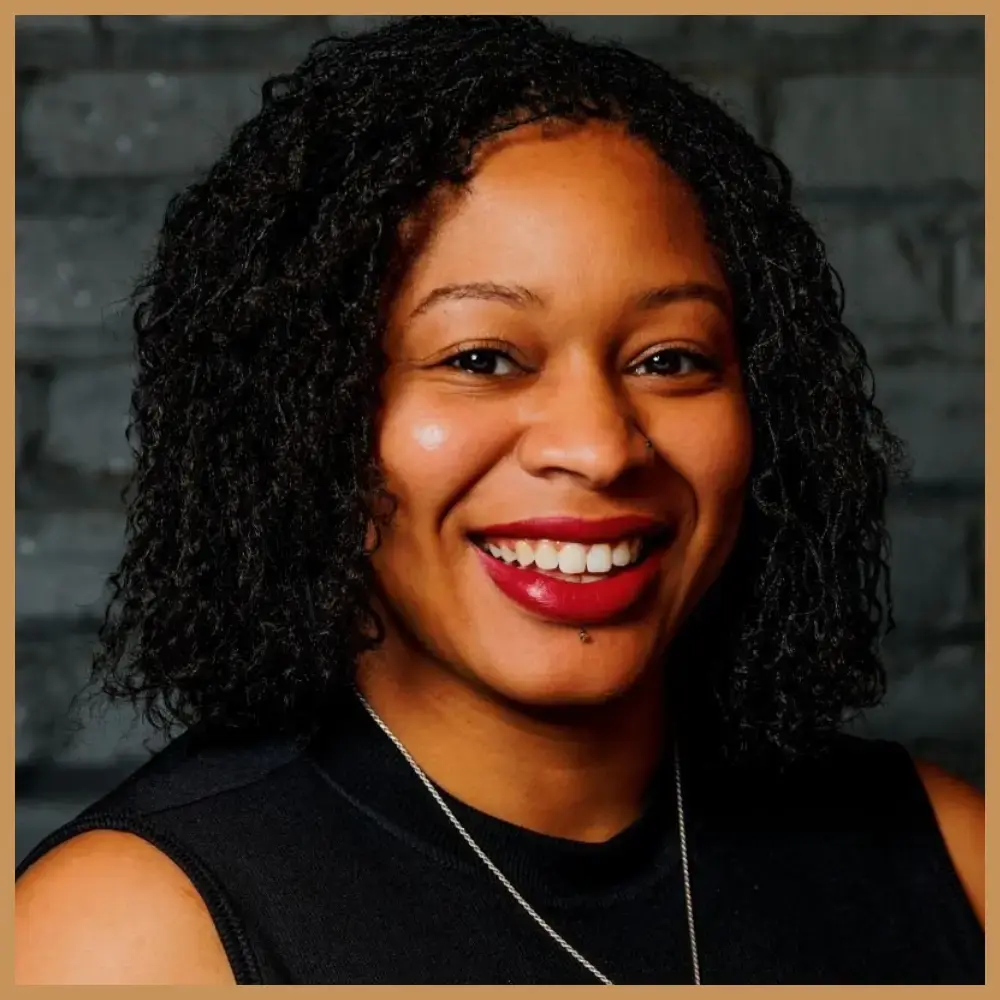
You will spend the first half of the day with Gerard Ilaria, learning how to engage a population that is often slow to trust civilian clinicians. You will spend the second half with Dr. Arielle Jordan, learning how to recognize subtle risk indicators that are easy to miss or misread.
Each session stands on its own.

Understanding Military Culture and Building Clinical Trust
- Language and framing that helps military clients feel met rather than handled
- A clearer sense of what is actually being said when a client says nothing happened
- Practical entry points for clinicians who have no military background of their own.
Reading Subtle Risk in High-Stress Lives
How to recognize the risk indicators that hide inside humor, stoicism, and high-functioning presentations. Dr. Jordan brings her clinical work, her experience as an Army veteran, and her EMDR consultation work with veterans and purpose-driven professionals.
- A framework for distinguishing dark humor from genuine suicidal communication
- Identity and moral injury cues that often precede a crisis
- Questions you can ask in session without rupturing the connection you have built
Clinicians who are in the work.
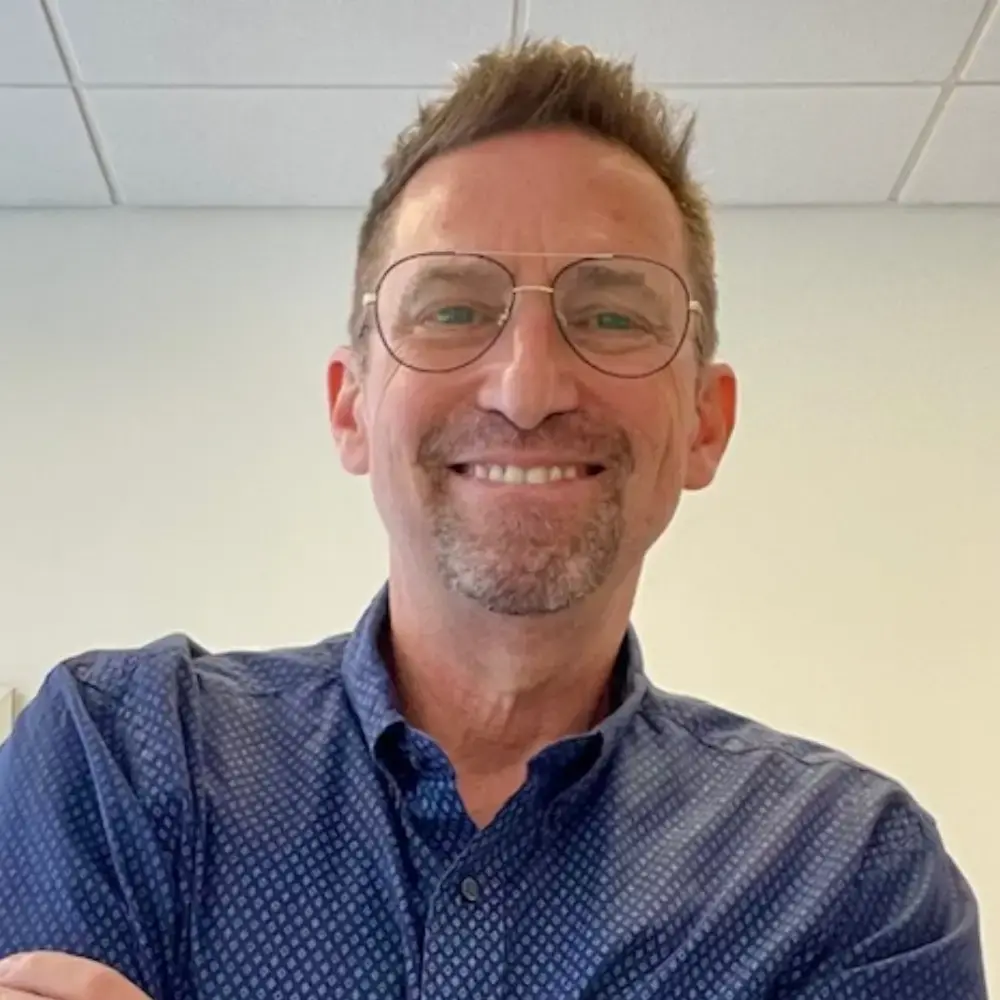
Gerard Ilaria
- Trained 250+ EMDR therapists across the field
- Specializes in combat trauma and moral injury
- Deep experience with high-stress, high-stakes professions
Dr. Arielle N. Jordan
- Army veteran with lived proximity to military culture
- National and international EMDR consultant
- Leads group programs for veterans and first responders
Where clinicians train, and stay.
Credentials that count
CE-approved trainings recognized by NBCC, ACE, and APA.
A proven track record
More than 100,000 clinicians have been trained across our programs.
Faculty who know this world
Trainers with real proximity to military and veteran life.
Inclusive by design
Neuroscience-backed training in spaces built for real learning.
This Summit is for you if…
Tap the ones that sound like you.
- You see veterans, active-duty service members, or military families in your practice, even occasionally
- You have wondered whether you are missing something cultural that keeps clients at arm's length
- You have noticed clients deflecting with humor and felt unsure whether to follow or let it pass
- You want a clearer way to assess risk without breaking trust
- You are a trauma therapist, EMDR-trained or not, who wants to be ready for the next military client
- You are early in your career and want a foundation that civilian-only training did not provide
The opening of a larger pathway.
Treating Military Trauma: Foundational Clinical Training
EMDR for Military Trauma: Advanced Clinical Training
Keep building your confidence with training designed to grow with you.
Staying resourced shouldn't depend on who can pay.
No credit card
No hidden catch. Just a focused, clinically grounded conversation.
Replay for 7 days
Watch live or rewatch on your own time within a week of the event.
Bring it to your work
Practical framing you can apply with the clients you already see.
Real care for those who served starts with you.
Common questions.
No. Session One is built around practical entry points for clinicians who have no military background of their own. You will leave with language and framing that helps military clients feel met rather than handled.
No. You are welcome to attend the Summit on its own, and nothing further is required. We mention the larger pathway so you know what is available when and if you want to go deeper.
Yes. Save your spot and the replay will be available for seven days after the live event, so you can watch or rewatch when it works for you.
The Summit is open to any licensed clinician, EMDR-trained or not. The EMDR-informed advanced training arrives live in February 2027 and extends this foundational work into specific EMDR applications.
The Summit is free to attend, with no credit card and no hidden catch. This Summit carries 3 CEs, and the on-demand Foundational course carries 8, both approved through NBCC, ACE, and APA.