Clinical Conversation

Why Your Questioning Skills Are Deterring Your Client’s Progress

Guest: Larisa Traga, LCSW, MAC, CCDS
Live: Wednesday, May 6th, 2026, from 1 pm - 2 pm Central
On-Demand: Available one week after the live event

Most of us were taught that good therapy means asking good questions.

But what if the way you’re questioning is quietly stalling change? Clients can feel subtly interrogated and become more cognitively activated, resulting in slower progress. 

In many sessions, the question‑to‑reflection ratio is closer to 10:1, which means that, without realizing it, we’re often interrogating our clients instead of guiding them. The structure, timing, and tone of our questions don’t just gather information; they shape safety, regulation, and the direction of change.

Join us for a free, clinically honest, skills‑focused Clinical Conversation with Larisa Traga, LCSW, MAC, CCDS - EMDRIA Approved Consultant & Trainer and Certified Motivational Interviewing Trainer.

You’ll walk away with practical, cross‑modality strategies you can use in any trauma‑informed approach, not just EMDR or MI.

In this conversation, we’ll explore:

In this one‑hour conversation, we’ll look at:

  • How questioning can quietly dysregulate clients
    When good intentions lead to rapid‑fire questions, cognitive overload, or subtle pressure to “perform insight.”
  • The difference between exploration and interrogation
    Small shifts in pacing, sequencing, and wording that change the emotional impact of your questions.
  • Working with the “10:1” problem
    Why a high question‑to‑reflection ratio erodes safety and what to do instead, without feeling like you’re “saying nothing.”
  • Using reflections and summaries as active interventions
    How to rely less on “why” questions and more on strategic reflections that deepen meaning and support integration.
  • Changing the direction of a stuck session with one better question
    Micro‑interventions to redirect looping, content‑heavy conversations without overriding autonomy.
  • Questioning through a trauma‑informed lens
    How to respect pace, choice, and window of tolerance while still moving toward adaptive change.

This isn’t a theoretical lecture. It’s a real‑world clinical conversation about how we talk with clients, where our habits help, where they get in the way, and what to do differently next session.
Register for free now + join our free membership community!

Supporting Our Clinical Community Through Free Conversations

At Trauma Therapist Institute, we believe staying sharp, supported, and connected as a trauma therapist shouldn’t depend on your CE budget.

Our Clinical Conversations are:

  • Always free to attend live
  • Replay‑accessible for a limited time
  • Designed by and for practicing trauma clinicians

When you register, you’ll also be invited into our free community so you can keep learning and connecting between events.

No paywall. No pressure. Just grounded, practical conversations to support your growth.

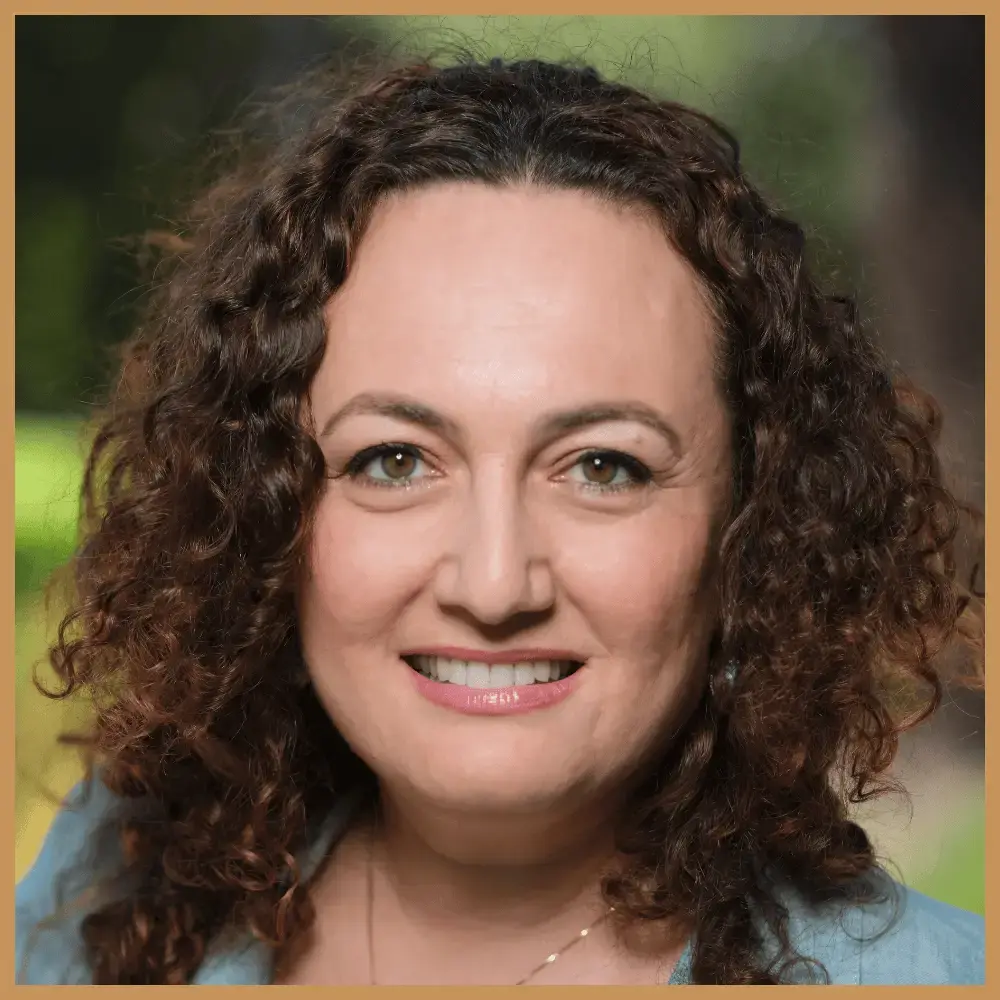
About Guest, Larisa Traga, LCSW, MAC, CCDS

Deb Dana preYunetta Spring Smith at Trauma Therapist Institutesenting Polyvagal-Informed Therapy in Complex Cases for Trauma Therapist Institute

Larisa Traga, LCSW, MAC, CCDS (she/her) is a California‑licensed clinical social worker, EMDRIA Approved Consultant and Trainer, and a Certified Motivational Interviewing (MI) Trainer (MINT). She provides training, supervision, and psychotherapy to the Santa Barbara community and beyond.

Larisa earned her MSW from the University of Michigan and spent nearly a decade with the County of Santa Barbara Behavioral Wellness Department. As a clinician and supervisor, she worked countywide with individuals experiencing co‑occurring disorders, complex and developmental trauma, and acute crises, serving justice‑involved youth and adults with severe and persistent mental illness. She also helped lead system‑wide improvements using the NIATx process‑improvement model.

Since 2015, Larisa has been an adjunct instructor at Allan Hancock College, teaching courses such as Crisis Intervention, Addiction, Emotional Intelligence, and more. In her private practice, she offers culturally sensitive psychotherapy for all ages, using an eclectic, trauma‑informed approach that integrates EMDR, Internal Family Systems (IFS), CBT, MI, and the Trauma Resiliency Model (TRM). She is also a dedicated mentor, providing supervision for licensure and EMDRIA Certification.

As a national trainer, Larisa teaches workshops on EMDR, Motivational Interviewing, the MATRIX model, and crisis intervention (CID/A‑TIP). Recent presentations include the NAADAC Conference, EMDRIA Conference, the 2025 MINT Virtual Forum on integrating MI and EMDR for complex cases, and Santa Barbara County summits on emotional intelligence and bullying prevention.

Across all of her roles, Larisa is passionate about helping therapists refine the micro‑skills of conversation, so that every question, reflection, and pause supports real, sustainable change.

Visit Larisa's Website

Ready to Rethink Your Questioning Habits?

Join us on Wednesday, May 6, 2026 from 1:00–2:00 PM Central Time to:

  • See how your current questioning style might be impacting progress
  • Learn practical adjustments you can use with any modality
  • Leave with specific, next‑session‑ready ways to support safer, more effective conversations
Yes, save my seat and sign up for free membership!