Trauma Training
Integrating Spirituality into Trauma Therapy: Neuroscience, Cultural Humility, and Ethical Practice
A spiritual trauma recovery training for therapists who want to integrate spirituality into trauma work ethically and clinically.
Trainer: Sabrina N'Diaye, PhD, MDiv, LCSW-C
On-Demand: Available with lifetime access for asynchronous learning. This course was recorded on December 4, 2025.Â
Restore the Sacred in Trauma Therapy
Many trauma survivors carry spiritual wounds alongside psychological and relational ones. For therapists, spirituality can feel both essential and intimidating: vital to healing, but easy to mishandle.
This spiritual trauma recovery training is designed for clinicians across backgrounds and modalities who want to integrate spirituality into trauma therapy ethically and clinically, in a way that honors each clientâs spiritual lineage. Youâll explore how neuroscience, spiritual wisdom, and somatic approaches can work together to foster profound trauma healing.
Through a thoughtful, researchâinformed curriculum that respects diverse cultural and spiritual belief systems, you will deepen your understanding of the neurobiological and psychological impact of spirituality on trauma, and learn how to cultivate inclusive, compassionate spaces for healing. Whether youâre seeking practical tools, increased cultural responsiveness, or a deeper sense of purpose in your clinical work, this course will equip you to support each clientâs journey with integrity and depth.
This course sits alongside our free Black History Month Clinical Conversations series, including Integrating Spirituality into TraumaâAligned Care, as part of TTIâs commitment to Blackâled, liberationâfocused trauma education.
Â
Practical Interventions You'll Learn
In this spiritual trauma recovery training, you'll learn how to:
- Recognize when spiritual themes are central to a client's trauma and understand how spirituality influences recovery across diverse cultural and spiritual backgrounds, including clients whose faith differs from your own
- Explain the neurobiological and psychological impact of spiritual wounding and spiritual healing in language your clients can understand and engage with
- Integrate at least three spiritual approaches into trauma sessions, including ritual, guided imagery, and conscious breathwork, in ways that support regulation and meaning-making without spiritual bypass or coercion
- Navigate the ethical frameworks and clinical boundaries of blending spirituality with psychotherapy, including how to avoid imposing beliefs or appropriating clients' spiritual traditions
- Examine your own spiritual lens and understand how it shapes your therapeutic presence and clinical decision-making in session
- Strengthen cultural humility when supporting clients from faith traditions or spiritual backgrounds different from your own
What You'll Learn in this Trauma Training
By the end of this training, you will be able to:
- Define the role of spirituality in trauma recovery across diverse cultural and spiritual contexts, and articulate why addressing spiritual dimensions is clinically relevant rather than outside the scope of therapy
- Identify the neurobiological and psychological impacts of spiritual trauma and spiritual healing, and apply that understanding to case conceptualization and treatment
- Apply at least three spiritual practices, including guided imagery, ritual, and breathwork, that support trauma recovery in a clinically grounded and culturally responsive way
- Assess the ethical considerations and clinical boundaries of integrating spirituality in therapy, including how to hold the spiritual dimensions of a client's story without overstepping or imposing
- Reflect on your own spiritual perspective and its influence on your clinical work, using structured self-reflection to strengthen your therapeutic presence
- Describe culturally responsive strategies for working with clients whose spiritual beliefs, practices, or traditions differ from your own
Who Is This Course For?
This course is ideal for trained therapists who can feel the spiritual dimensions of their clientsâ trauma, but havenât been given clear, ethical frameworks or tools to address them. Itâs especially relevant if you want to:
- Integrate spirituality into traumaâfocused practice in a way that is grounded, ethical, and clinically sound
- Explore spiritual tools for healing, such as ritual, guided imagery, and breathwork, that are both culturally sensitive and traumaâinformed
- Nurture a deeper clinical presence and sense of purpose when working with spiritual wounding and spiritual resilience
- Build resilience for yourself and your clients as you navigate complex spiritual and relational stories
Hold sacred space for individuals of all spiritual backgrounds, including those whose faith traditions differ from your own
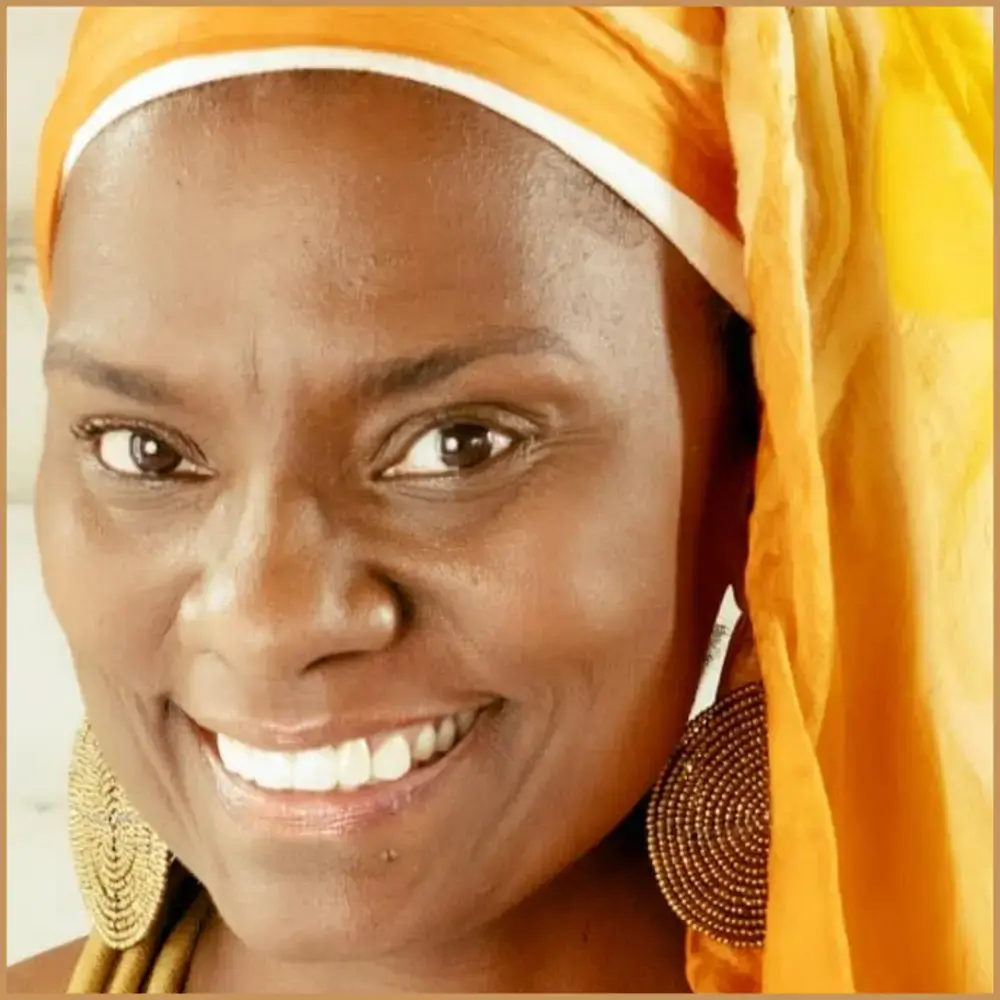
About Your Trainer, Sabrina N'Diaye, PhD, MDiv, LCSW-C
Dr. Sabrina N'Diaye is a therapist, storyteller, and spiritual teacher who has spent over a decade integrating spirituality, mindâbody medicine, and trauma therapy with individuals and communities around the world. As an integrative therapist, author, and peacebuilder, she blends ancient spiritual practices with the latest scientific research to guide others on their healing journeys. She is affectionately referred to as âSister Sabrinaâ in the communities she serves.
Dr. Sabrina holds a PhD in MindâBody Medicine from Saybrook University, where her research focused on the use of guided imagery as a healing tool for African American women with chronic STIs. She is the founder of The Heart Nest Center for Peace and Healing, where she lovingly serves women, couples, and small groups. A passionate storyteller, Dr. Sabrina is a strong advocate for the power of narrative in the healing process.
She believes that sharing stories is a powerful tool for connecting with others and fostering community healing. This belief is central to her workshops and public speaking engagements, where she encourages participants to explore and share their own stories as pathways to personal and collective healing.
For over thirteen years, Dr. Sabrina served as a senior faculty member with the Center for MindâBody Medicine, leading teams in response to communityâwide trauma around the world. She is a highly respected member of the therapeutic community, frequently lecturing on topics such as peacebuilding, spirituality, selfâcare for healers, imagery, writing, and the transformative power of connection.
Her first book, Big Mama Speaks: Love Lessons from a Harlem River Swan, draws on her maternal grandmotherâs resilience in overcoming trauma and chronic illness. Dr. Sabrina is deeply passionate about mentoring other therapists in creating fulfilling careers while serving humanity. She is a devoted wife, mother, daughter, sister, and friend, who remains humbled by the healing powers of compassion, forgiveness, and love.