Trauma Training
Generational and Collective Trauma Therapy: Anti-Oppression and Liberation-Based Approaches for Clinicians
Trainer: Lisa Hayes, MSW, LISW-S
On-Demand: Available with lifetime access for asynchronous learning. This course was recorded on February 26th, 2026.
Transform your trauma therapy practice. Break cycles of oppression. Empower healing across generations.
Oppression, colonization, and systemic violence don’t stay outside the therapy room. They live in bodies, relationships, and diagnoses. For trauma therapists committed to anti-oppression and liberation in trauma therapy, it’s not enough to “stay neutral” or rely on talk therapy models that ignore history, identity, and power.
In this live trauma training with clinician and educator Lisa Hayes, you’ll explore shared language, core principles of Anti‑Oppressive Psychotherapy, and an honest examination of our field. You’ll engage in intersectional analysis of your own therapeutic culture, map the impacts of oppression on clients and communities, and identify barriers that keep liberation work from taking root.
You’ll also discover what Liberation‑Based Healing looks like in real practice and walk away with practical, trauma‑informed strategies you can immediately begin weaving into assessment, treatment, and discharge.
Practical Interventions You'll Learn
In this anti-oppression and liberation in trauma therapy training, you’ll learn how to:
- Integrate anti-oppressive principles into every phase of therapy, intake, treatment planning, and discharge, so systemic harm is no longer treated as "background" to your client's trauma.
- Facilitate interventions that emphasize community, collective care, and cultural reconnection, not just individual coping.
- Use ethical self-disclosure to flatten hierarchy and foster authentic therapeutic relationships.
- Apply the Transgenerational Trauma & Resilience Genogram (TTRG) to uncover inherited patterns of pain and strength across your clients' lineages.
- Incorporate somatic and Polyvagal tools to address chronic threat activation from systemic oppression.
- Engage in structured self-reflection practices to examine bias, privilege, and positionality as a clinician
What You'll Learn
Family and collective wounds are seldom just personal. This course will show you how to:
- Identify and skillfully differentiate generational, ancestral and collective trauma in client presentations, instead of collapsing everything into individual diagnosis
- Engage clients in cultural reclamation, embodied ritual, and somatic practices, to access both wounds and wisdom across their lineage
- Navigate ethical, historical, and social justice complexities with practical, non-appropriative frameworks rooted in Liberation-Based Healing
- Empower clients to not just heal pain, but carry forward ancestral gifts and strengths as active resources in their present-day lives
Expect hands-on protocols, scripts, and a holistic, polyvagal-informed approach for honoring pain, reclaiming gifts, and building lasting neural pathways to healing.

Who is this course for?
This course is designed for clinicians and trauma therapists who can feel that oppression, generational wounds, and systemic violence are in the room, but haven’t had a clear, structured way to address them. It’s especially for you if you want to:
- Confidently address generational, ancestral, and collective trauma in all clients, especially those with fragmented, suppressed, or unspeakable histories
- Move beyond “one-size-fits-all” protocols to connect family, cultural, intersectional, and systemic contexts to your case formulations
- Support clients struggling with inherited anxiety, complex trauma, and multi-generational grief in ways that honor both their pain and their resilience
- Use ritual, somatic, and polyvagal-informed tools to deepen healing for those historically left out of traditional systems
- Show up with humility, creativity, and courage in conversations about ancestry, nervous system repair, decolonization, and cultural reclamation
Whether you practice in private therapy, agencies, schools, or community settings, if you’re committed to transforming cycles of suffering for individuals, families, or entire communities, this course will equip you with the advanced tools and confidence you need.

About Your Trainer, Lisa Hayes, MSW, LISW-S
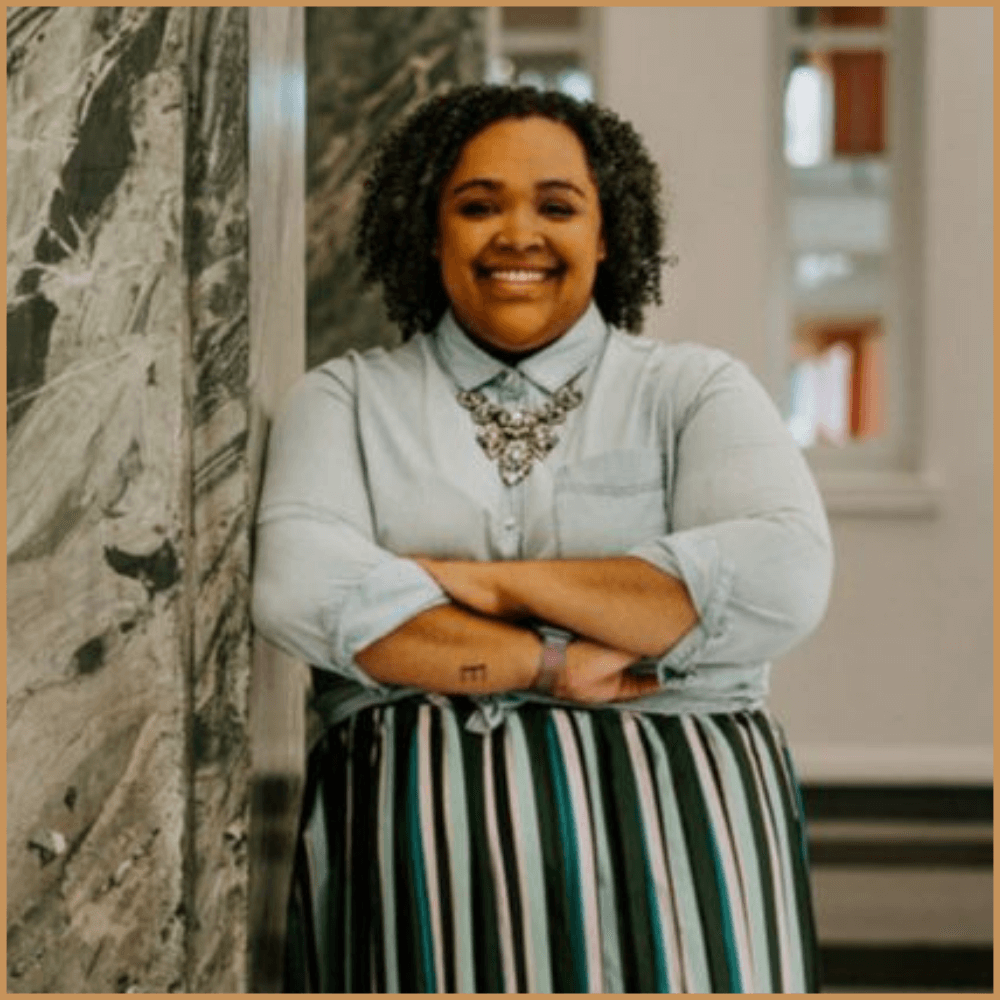
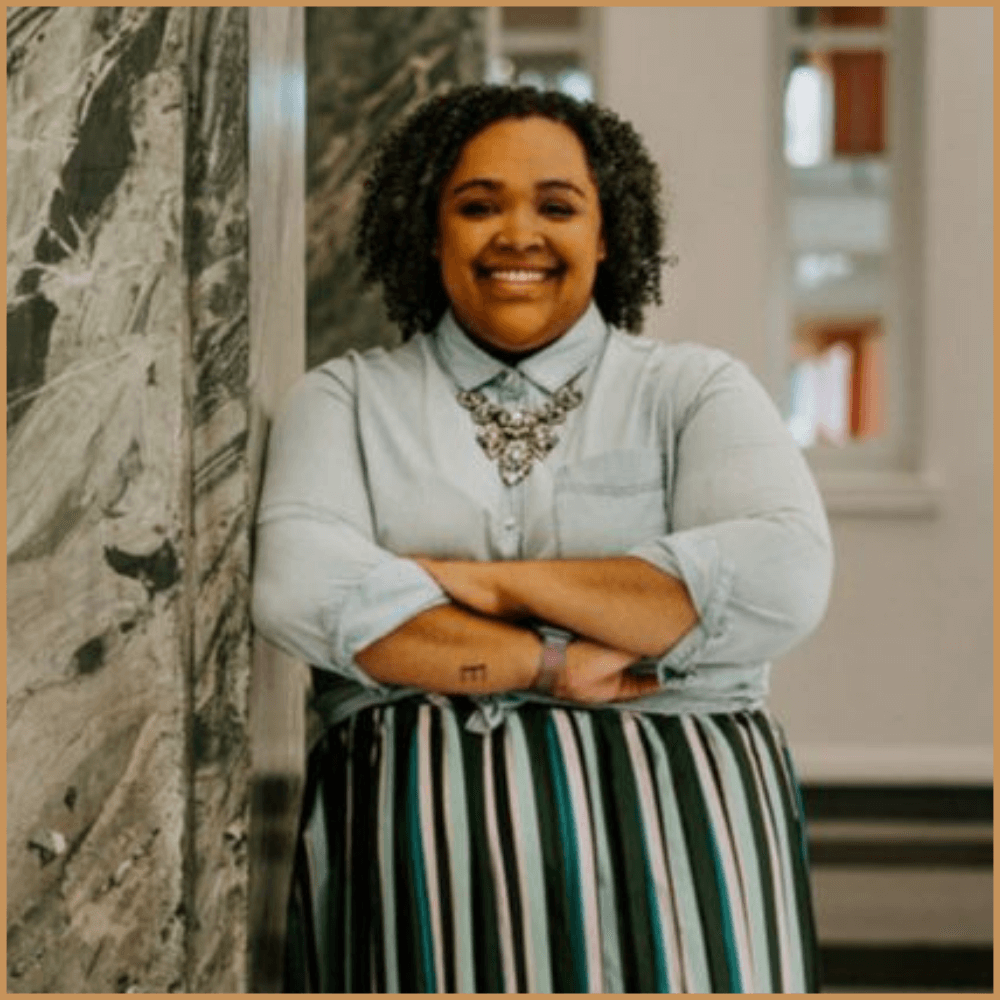
Lisa Hayes, MSW, LISW-S, is a Clinical Social Worker based in Columbus, Ohio, whose academic and professional focus has always included special attention to gender identity, sexuality, race, and social representation. She graduated with a master’s degree in Social Work from The Ohio State University, with undergraduate studies in Sociology and Gender Studies.
Lisa’s clinical experience includes work with complex trauma, complex PTSD, anxiety, panic disorders, interpersonal relationship health, residential alcohol and drug treatment; inpatient psychiatric hospitalization; significant life transitions; racial/ethnic and culturally specific trauma and identity; LGBTQIA+ specific support needs; depression; complex dissociation; Military Veteran experiences; sexual assault; and childhood sexual abuse. Her clinical practice has primarily focused on the treatment of adolescents and adults.
Lisa is energized by environments of learning, collaboration, and increased understanding. She has provided local, national, and international trainings focused on the impacts of trauma and its effects on individuals, communities, and families. In her therapeutic work, Lisa uses a variety of expressive and experiential interventions aimed at identifying and celebrating the strengths of each person.
She currently works in higher education, maintains a part‑time private practice, is co‑owner of The Trauma & Wellness Institute, and serves as the Director of the EMDR Therapy Training Program for BIPOC Clinicians with the Institute for Creative Mindfulness.
When not at work, Lisa enjoys reading, laughing with her sisters, collecting vinyl records with her godson, dancing with her nephew, travelling with her partner, and playing with her dog.