Clinical Conversation

The Mindfulness-Trauma Gap: Why Sitting with It Isn't the Same as Processing It

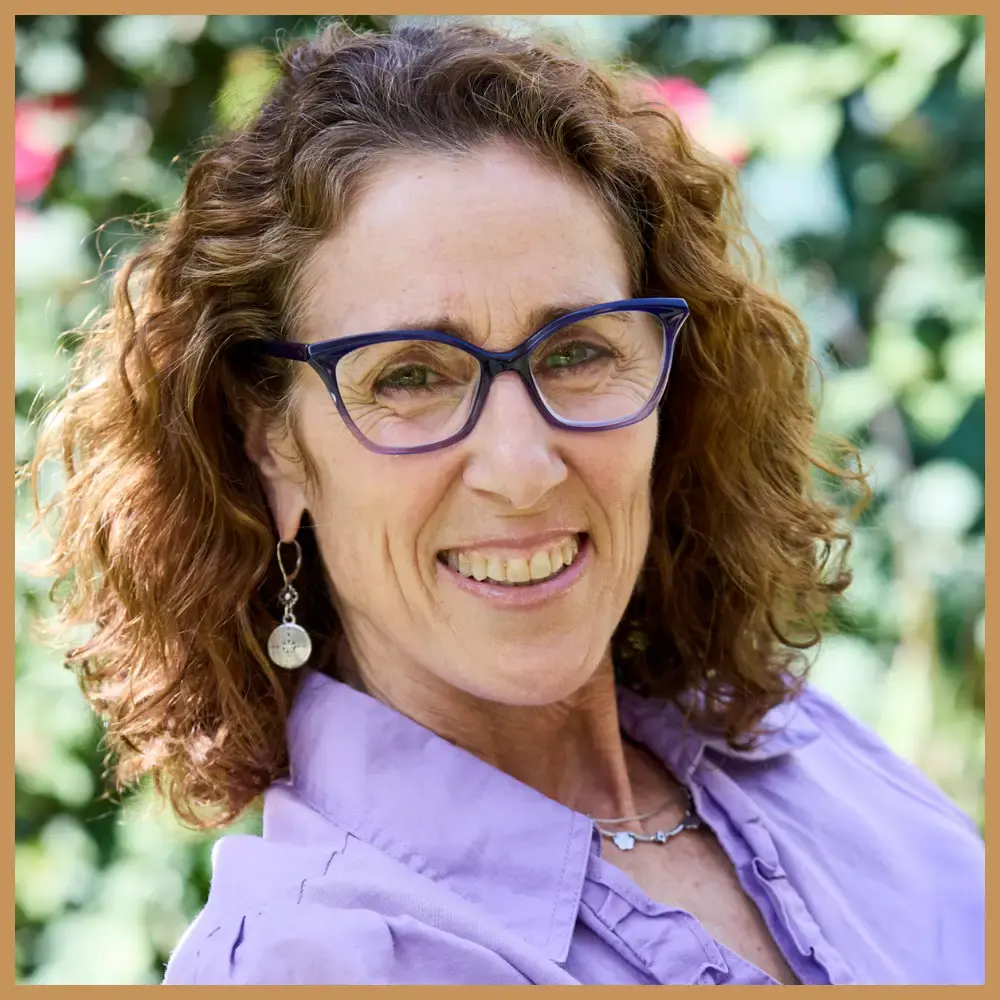
Guest: Rachel Donaldson, LCSW, MSW, NBC-HWC
Live: Wednesday, August 5, 2026, from 1:00 PM – 2:00 PM Central
On-Demand: Replay available 7 days after the live event

Most of us were trained to see mindfulness as a natural companion to trauma work. And in many ways, it is. Research supports its role in reducing stress, building self-awareness, and helping people relate differently to difficult thoughts and feelings.

In practice, though, the picture is more nuanced. Mindfulness-based programs and interventions are not trauma treatments. For some clients, jumping into mindfulness practices before the nervous system is ready can increase distress, reinforce avoidance, or even retraumatize. The difference between a helpful tool and a harmful one often comes down to how well we understand what we're using and why.

In this free Clinical Conversation, Rachel Donaldson, LCSW, will walk us through what mindfulness actually is (and what it isn't), how it can serve as a skillful adjunct to trauma therapy for the right clients at the right time, and how to tell the difference.

In this conversation, we’ll explore:

In this one‑hour conversation, we’ll look at:

  •  How the clinical definitions of mindfulness and trauma differ, and why that distinction shapes your treatment decisions
  •  What mindfulness-based programs can and can't do for trauma clients, and why they're not interchangeable with trauma-specific interventions
  •  How to assess whether a client is regulated enough to benefit from mindfulness, versus when it's likely to backfire
  •  Practical ways to introduce mindfulness as an adjunct within an existing trauma treatment framework
  •  Common clinical mistakes when layering mindfulness into trauma work, and how to course-correct
  •  How mindfulness practices can also support your own nervous system regulation and help prevent burnout  

This is about moving from using mindfulness because it seems like it should help to understand exactly when, how, and with whom it actually does. You'll leave with a clearer clinical framework for integrating mindfulness thoughtfully into trauma treatment, and more confidence in making those calls in real time. 

Register for free now + join our free membership community!

Supporting Our Clinical Community Through Free Conversations

At Trauma Therapist Institute, we believe staying sharp, supported, and connected as a trauma therapist shouldn’t depend on your CE budget.

Our Clinical Conversations are:

  • Every Clinical Conversation is offered at no cost, because staying current, regulated, and resourced as a trauma therapist shouldn't be limited to who can pay.

  •  Whether you join us live or watch the replay, these sessions are our way of supporting you as you support your clients.

  •  No credit card. No hidden catch. Just smart, practical, research-informed conversations you can bring back to the work you're already doing.

  •  Replay will be available for 7 days after the live event so you can watch (or rewatch) when it works for you.

About Guest, Rachel Donaldson, LCSW, MSW, NBC HWC

Rachel Donaldson, LCSW, MSW, NBC-HWC, is a psychotherapist, trainer, and mindfulness facilitator with over 25 years of experience in behavioral health, trauma treatment, and preventative medicine. Known as a "therapist's therapist," she has a distinctive ability to translate complex clinical concepts into practical, accessible tools for clinicians and diverse audiences alike.

A graduate of Harvard University and USC School of Social Work, Rachel has held clinical and leadership roles across healthcare and community settings, including over a decade at Kaiser Permanente, where she developed and led mindfulness and behavioral health programs. She served as Director of NCJW/LA's Community Mental Health and Supportive Services, and most recently as Director of Trauma and Resiliency Training and Services at the Southern California Counseling Center, where she continues to consult and provide advanced trauma trainings.

Rachel is a Certified EMDR therapist with advanced training in TRM, Attachment-Focused EMDR, IFS-informed EMDR, and the DARe model. She is also a certified facilitator of MBSR, MBCT, and Mindful Self-Compassion, and serves as a Mindfulness Mentor for UC San Diego's mindfulness certification programs.

Visit Rachel's Website

Ready to Rethink Your Questioning Habits?

Join us on Wednesday, August 5, 2026, from 1:00–2:00 PM Central Time to:

  • See how your current questioning style might be impacting progress
  • Learn practical adjustments you can use with any modality
  • Leave with specific, next‑session‑ready ways to support safer, more effective conversations
Yes, save my seat and sign up for free membership!