Clinical Conversation
Guest: Dr. Kate Truitt, PhD, MA, MBA
Live Training: September 2nd | 1:00 PM Central Time
On-Demand: Replay available within one week of the live event for all who register
Most of us learned about the brain in training the way we learned anatomy: systems, structures, functions. Useful for passing an exam. Less useful when a client is sitting across from you, caught in the same loop they've been in for years, despite everything they've tried.
In practice, the question isn't just what happened to this person. Why is their nervous system still responding as if it's happening right now, and what does it actually take to change that? Trauma doesn't just leave memories. It reorganizes the brain, reshaping the circuits involved in threat detection, affecting regulation, and relational safety in ways that don't simply resolve on their own.
That's where applied neuroscience stops being background knowledge and starts being a clinical tool. In this conversation, Dr. Kate Truitt will translate two decades of neuroscience research into a clear, practical framework for how therapists can work with the nervous system, not around it, to support lasting recovery and resilience in real-world trauma treatment.
In this conversation, we will explore:
- What neuroplasticity actually looks like in trauma recovery, and what the brain needs to reorganize rather than just cope
- Why survival-based neural patterns persist long after the threat is gone, and what that means for how you pace and sequence treatment
- How to recognize when a client's nervous system is ready to shift versus when more stabilization is needed first
- Practical ways to apply the NeuroTriad Model and Brain Partnership framework directly in session, with real clients and real clinical complexity
- How interoception and stress physiology inform what you're seeing in the room, and how to use that information to guide your interventions
- How understanding your own nervous system through this lens can reduce clinical fatigue and help you stay in the work sustainably
This is about moving from "I hope this is helping" to a grounded, brain-based confidence in why your interventions work, and what to do differently when they don't. This isn't a webinar. It's a real conversation. No dense slides. We'll translate neuroscience into clear, clinically useful language and make space for your questions about real-world cases, stuck points, and confusion.

These Conversations Are Always Free to Attend
Every Clinical Conversation is offered at no cost because learning, growing, and staying connected to a trauma informed community should not be behind a paywall. Whether you join us live on Wednesday, September 2nd at 1:00 PM Central or watch the recording, this session is our gift to you and your clients.
When you register, you also unlock TTI’s Free Trauma Therapist Membership:
- Every Clinical Conversation is offered at no cost, because staying current, regulated, and resourced as a trauma therapist shouldn't be limited to who can pay.
- Whether you join us live or watch the replay, these sessions are our way of supporting you as you support your clients.
- No credit card. No hidden catch. Just smart, practical, research-informed conversations you can bring back to the work you're already doing.
-
Replay will be available for 7 days after the live event so you can watch (or rewatch) when it works for you.
Cannot make it live? Register anyway. You will receive access to the full recording, so you can watch whenever it fits your life.
About Guest, Dr. Kate Truitt, PhD, MA, MBA
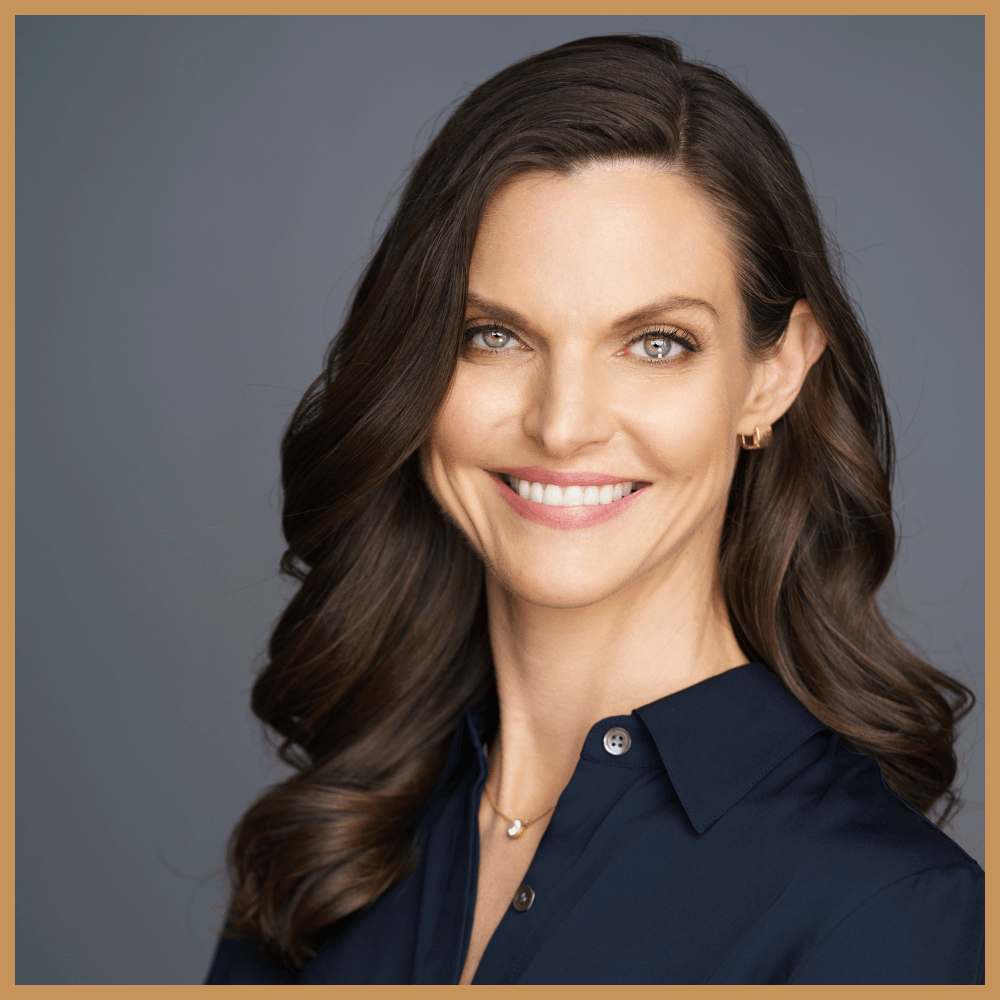
Dr. Kate Truitt, PhD, MA, MBA is a clinical psychologist, applied neuroscientist, and internationally recognized educator specializing in trauma, stress physiology, neuroplasticity, and post-traumatic adaptation. With over two decades of experience in clinical practice, neuroscience-informed training and research, and systems leadership, her work focuses on translating complex brain science into ethically grounded, evidence-based strategies for mental health professionals.
Dr. Truitt is the creator of the NeuroTriad Model and Brain Partnership, integrative neuroscience frameworks that synthesize contemporary research on affective neuroscience, psychophysiology, interoception, and learning-dependent neuroplasticity. She is the founder of the Truitt Institute, leads an award-winning clinical practice at Dr. Kate Truitt & Associates, and serves as Executive Director of the Amy Research Foundation and CEO of the Trauma Counseling Center of Los Angeles.
She is an international bestselling author of Healing in Your Hands and Keep Breathing, and author of the Brain Partnership Toolbox for Addiction, Mental Health, & Trauma Treatment Professionals.
This isn’t a webinar. It’s a real conversation. Honest. Raw. Clinically useful.
Save your spot for free + join our free membership + get the replay sent to your inbox!